
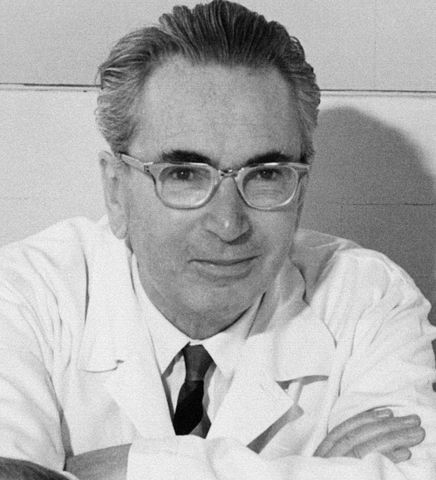
The principals of Viktor Frankl’s logotherapy came out of his personal experience and observations during his time in German concentration camps during the holocaust. We need to listen to the insights that come out of such unimaginable physical and emotional pain. Wisdom that addresses the helplessness and emptiness that many feel today. Frankl’s principles were then developed into a practice of psychotherapy aimed to help others at an existential level.
In an earlier post on Existential therapy, I said that:
“Everyone is faced with their experience of existence. It is wonderful, emotionally painful, beautiful and sweet, traumatic and tedious, ecstatic and depressing, meaningful and meaningless at times. What are we to do with these opposites? Repress the dark and only think good thoughts?”
Basic Principles of Logotherapy
 “Viktor Frankl’s Logotherapy is based on the premise that the human person is motivated by a “will to meaning,” an inner pull to find a meaning in life. The following list of tenets represents basic principles of logotherapy:
- Life has meaning under all circumstances, even the most miserable ones.
- Our main motivation for living is our will to find meaning in life.
- We have freedom to find meaning in what we do, and what we experience or at least in the stand we take when faced with a situation of unchangeable suffering.”
http://www.logotherapyinstitute.org/About_Logotherapy.html
This “will to meaning” is usually felt in times of significant positive or negative change; such as, completing something personally important, having a baby, holidays with loved ones and so forth. Also, this need for meaning is experienced in hurtful, sad, terrifying and/or overwhelming experiences, especially with someone’s death or potential death.
According to Frankl, “We can discover this meaning in life in three different ways:
- by creating a work or doing a deed;
- by experiencing something or encountering someone; and
- by the attitude we take toward unavoidable suffering” and that “everything can be taken from a man but one thing: the last of the human freedoms—to choose one’s attitude in any given set of circumstances”.”
http://www.logotherapyinstitute.org/About_Logotherapy.html
Feeling trapped is one of the most common themes that I hear in psychotherapy; such as, “trapped in my job”, “trapped in my marriage”, and “trapped in my own feelings and thoughts”. The wisdom of Frankl’s experience is very useful here. Asking ourselves questions is the place to begin. We can ask ourselves, “What attitude do I want to bring to the various parts of my life that will give me a sense of meaning?”
Rainer Maria Rilke:
“Be patient toward all that is unsolved in your heart and try to love the questions themselves, like locked rooms and like books that are now written in a very foreign tongue. Do not now seek the answers, which cannot be given you because you would not be able to live them. And the point is, to live everything. Live the questions now. Perhaps you will then gradually, without noticing it, live along some distant day into the answer.”
http://www.goodreads.com/quotes/717-be-patient-toward-all-that-is-unsolved-in-your-heart

Leave a Reply