Category: Psychology and Relationships
These are very personal questions: What is spiritual to you? When and where do you feel spiritual? How do these spiritual feelings get blocked or expanded?
We can carry these questions throughout our lives. Spiritual practice aims to refine and deepen our understanding of them.
I will focus on three specific spiritual practices: psychological relationships, meditation, and psychedelic plant medicines, including cannabis.
Spiritual practice is about psychological relationships because if our spiritual practice doesn’t improve our relationships with others, what’s the point?
The practice of psychological relationships with others and with one’s inner life is a personal experience with spiritual meaning. This involves experiences of vulnerability, hurt, and confusion that teach us the depth of human love and kindness.
Spiritual practice is not only personal but also universal and objective. We need to look at our minds as they are, our human instincts as they are, and our relationship with the natural world. We are born, go through all the developmental stages, and then die. Life is both precious and painful. We cannot change most of life, but we can learn to connect with it gracefully, little by little.
-

Holiday Stress
How we interact with Holiday Stress is where the relief happens. How we relate with overwhelming situations, feelings and time constraints is the skill that we are learning. Healthy stress and Unhealthy stress Healthy stress is the challenge we give ourselves to mature and grow in our life. Unhealthy stress makes us sick and depressed.…
-
Seasonal Affective Disorder and the Holidays
Usually, people who tend toward depression are very sensitive. As fall and winter pull us into our inner world of feelings, thoughts, intuitions, and sensations, it brings us closer to the subtleties of how we tick. We miss the light of spring and summer where everything is bright, clear and extroverted. I commonly hear clients,…
-
Three Meditation Techniques for Therapy
There are hundreds, maybe thousands of meditation techniques, all with roughly the same intention: peacefulness, happiness, calmness, less pain, increased wisdom and compassion, and spiritual connection. There are seated meditations, walking meditations, standing meditations, and sleeping meditations. There are meditations that use the breath, a mantra, an image, a sound, fasting, psychedelic plants, isolation, and…
-
Parents, Children, and Autism Therapy
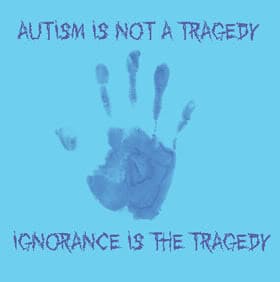
Often, the most over looked and yet the most essential work is helping parents cope with an autistic child. Many times parents lose sight of how to care for themselves, their marriage and other children in the family because it can feel selfish or not as important. I am not saying that something is being…
-
Parenting a Child with Depression, 9 of the Symptoms
Parenting a Child With Depression Is my child depressed? There is probably some amount of depression if a parent even asks this question. The next question is how to determine the best way to get some relief for your child. This does not necessarily mean antidepressants. It could be changing school environment, a different style…
-
Therapy for Parents (How to be there for your kids)
Parenting is more complex than we think. We need to know how to parent each child a little differently. We also need to know how to parent each child in each developmental stage a little differently. Parenting a five year old is very different than parenting a teenager, parenting a quiet introverted child is different…
-
Bipolar 1, Bipolar 2: Mania and Depression
When we look at the symptoms of bipolar 1 or bipolar 2, we see symptoms that are a result of unresolved emotional confusion about relationships, uncertainty about one’s place in the culture, and very little control of instinctual drives and emotions. When we move into adulthood and there is little or no guidance; mania and…
-
Mania and the Manic Episode, Symptoms and their Meaning
It is important to define mania in two ways: By defining symptoms. What those symptoms mean for each individual. Many of those suffering with these symptoms only choose medication for treatment and disregard psychotherapy because the underlying suffering seems too painful or impossible to make any sense out of it. This is the reason for…
-
Self Deception and the Pathological Liar
How does lying to oneself or another work? Usually, lying starts as a coping strategy. It can start at a young age to avoid a range of problems from avoiding abuse to taking out the garbage. In adolescence it is a way to get some privacy and break away from parental control. Later in life…
-
Sex Therapist or Regular Psychotherapist?
When any of our instinctual functions are out of balance, we can look a little deeper to find sources of emotional and physiological disruption. Sexuality is an instinct of human nature, similar to how we eat, how we care for ourselves, and how we sleep at night. It may show itself as a sexual problem…