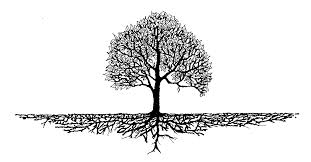

Dreams are trying to balance attitudes that are too dominant, too rigid, too loose or too over used. Dreams are providing a corrective image and experience to our out of balance life situation. Eastern medicine describes illness as being out of balance with nature.
In the previous example, the dream of the dog was balancing a lack of connection in myself. I had gotten too caught up in day to day busyness. I was loosing a connection with the animal side that is so easy to do in modern culture. Sometimes there are dreams where we are afraid of an animal, showing us that we are avoiding that primitive part that is so necessary in keeping the balance between culture and nature. If we loose nature, we start to become like a machine and get stuck in the head. Therefore, I can take this dream as a directive toward an earthier relationship with myself and others.
It needs to come from you
 This is why our associations, analogies, and amplifications are so important. They take us to conversations, memories and imagination that may have never been considered without the dream. It is for us to relate to the dream, and not just have someone else or a book tell us what the dream means. I find with my patients, we would never have talked about various parts of their life without a dream. A dream activates memories of people or situations that are forgotten and even avoided. These associations have equal, if not more importance, because of where it takes us. Then, it is important to write about all of this, tell those close to you your dreams and associations, and get help from a psychotherapist that specializes in dreams. The therapist can help you learn the language and relationship to dreams that are personal to you.
How to begin
The language of dreams is learned as any other language is learned. It takes awhile. There is a lot to learn in a new language, it’s pronunciation, vocabulary and subtlety. Just a little at a time is all the dreams are asking. The simple memory of the previous nights dream can be enough. Then what details can you remember? What were the feelings, story and images? This alone can be moving. Just to be with the feelings and sensations of the dream without an interpretation is enough in the beginning. We are not only learning a new language but the environment that goes with it. We meet many parts of ourselves and how these parts interact with each other.
The questions to ask with a dream
 A note pad or recorder by your bed works well.
On awakening: What did I dream?
It is best as soon as you wake up to ask yourself this question. If you remember parts of it latter, add it to your notes or recorder.
What were the feelings or sensations?
One word is enough, fear, love, sadness, excitement, etc.
Where in the body did you feel it? Stomach, heart, legs, back, etc.
What was the story or parts of the story?
What other parts of the dream can be remembered?
What spontaneously comes to mind with objects or people in the dream?
See associations, analogies, and amplification from previous post.
Did something happen recently to trigger this dream?
Example, parents are visiting, argument with a friend, a new car, met a new person, etc.
These questions can provide connection to the dream, one’s self, culture and the nature of reality. Then the symbols gradually start to make more sense.

Leave a Reply