Parenting teens, begins with a few basic principles that apply in almost all situations.
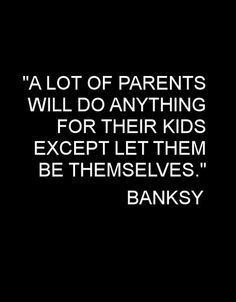
1. Be as patient as possible. Teens are beginning a new stage of life that is very unknown to them. Their arrogance is to cover up vulnerability and lack of understanding.
2. Criticizing their mistakes makes it worse. They feel bad enough, even though they may not share that with you and they may not even be aware of their struggle.
3. Telling them over and over that they need to take more responsibility is not helpful. Appreciate the smallest success and follow-through, even if it is partial success.
4. Parenting is very different in the teen years. This stage is more like that of a consultant. They really do need to learn from their mistakes and successes.
5. Listen, listen, listen (even if they are not talking to you). Listen to their silence. They need your presence, they need to know you are there.
6. It is important to listen to your teen without judgement, they are running some ideas past you, just as they would a consultant. Ask questions instead of giving advice.
7. Teens need to find their own way, so having a consultant in their corner makes it so much easier. Otherwise they are listening to their friends for guidance and that could be the blind leading the blind.
8. We can listen and say no without being mean. “I’m sorry that you do not like my decision. No you cannot do that.” Then do not get sucked into an argument.
9. After listening to your teen adult, when it is time to say something, make it short and to the point, anything over three sentences is a monologue, sometimes even two.
10. Usually, the permissive/discipline balance is very confusing for parents, so they either get stuck on one end of this continuum or the other.
Questions for Parents to Think about:
Parents, remember how long it took you to understand relationships and to navigate this complex world. This helps to develop empathy.
Parents, keep this question always: “How can we help our kids to learn from their mistakes, rather than demoralize them more?”
Parents, remember the dangers you were faced with as teens. Acting that fear out in the form of righteous anger and judgmental control lowers your child’s self esteem.
Parents, what do you wish your father had done differently when you were a teen? What do you wish your mother had done differently when you were a teen? This question can help bridge the balance of overly permissive parenting and harsh discipline.
Parents, admit to yourself that you are getting closer to saying good bye to your teen adult and that you are afraid that they are not ready for the world.
